iSense Solutions
PUBLICDATA

Explore the latest insights, research updates, and expert perspectives to help you navigate today’s dynamic market landscape.

92% of Romanians are worried about price hikes, and 60% are giving up their favorite brands for cheaper ones

Romanians’ stress is at an alert level, amid rising prices and geopolitical tensions, and this is starting to visibly change their consumption behavior.

In the first quarter of 2026, Romanians are increasingly feeling the economic, financial and geopolitical pressures, and this is reflected in the Consumer Stress Score rising to 65.8 in March 2026, following the outbreak of war in Iran and rising fuel prices, from 63.3 in February 2026. Thus, the stress level of Romanians remains and increases in the alert zone.

More and more consumers are adjusting their budgets and daily plans, remaining prudent but resilient, seeking solutions to protect their financial and emotional stability.

Z

Price developments remain the strongest source of anxiety, with 92% of respondents saying they are “quite” or “very” worried about price rises, one of the highest levels in the survey’s history. At the same time, 85% of urban Romanians expect their income and financial stability to be affected in the next 12 months.

Also, 73% of consumers are concerned about their job security in March 2026, significantly higher than in February 2026 (61%).

To cope with increasing stress and financial pressures, Romanians adopt different behaviors. The percentage of those who go out less often to restaurants, bars or cafes increased to 79% in Q1 2026 from 76% in 2025, signaling a pressure on the HORECA sector that will remain in the future.

At the same time, there is a growing concern for “hunting” for discounts. The percentage of those looking for discounts in retailers’ apps is 79% in Q1 2026, on an increasing trend compared to 2023 (69%), 2024 (73%) and 2025 (78%).

As a consequence of financial stress, Romanians are becoming less brand loyal. The percentage of those who in the last 3 months have switched from the brand they usually buy to a cheaper one is on an upward trend, increasing from 47% in 2024, to 55% in 2025 and 60% in Q1 2026.

Geopolitical tensions amplify feelings of insecurity

International conflicts continue to influence Romanians’ emotional state. The survey shows that 77% of Romanians are worried about the evolution of the conflict in Iran and 74% are worried about the conflict in Ukraine. A higher level of concern about the conflict in Iran is observed among women (81%), people living in small towns (83%) and those with lower incomes (87%).

The impact of ongoing conflicts is also visible in the increase in concern about national security (from 77% in February 2026 to 81% in March 2026).

Personal health and safety remain sensitive topics

According to the data, 3 out of 4 Romanians feel the need to relax more, while 27% say they feel anxious and 29% feel pessimistic.

“The rise in the Consumer Stress Score is a wake-up call about consumers’ emotional state and perceptions. In a context marked by uncertainty, people are becoming more attentive, cautious and sensitive to any economic or geopolitical change. Monitoring these developments is essential to understand how consumer behavior is changing and what expectations Romanians have from companies and institutions”, said Traian Năstase, Managing Partner iSense Solutions.

Methodology: The latest wave of the Consumer Stress Score (CSS) survey was conducted online inMarch on a sample of 524 urban, internet-using respondents aged 18-65 years old. The maximum sampling error is ±4.3% at 95% confidence level.

SURVEY: WHAT CHILDREN WANT FROM SANTA CLAUS

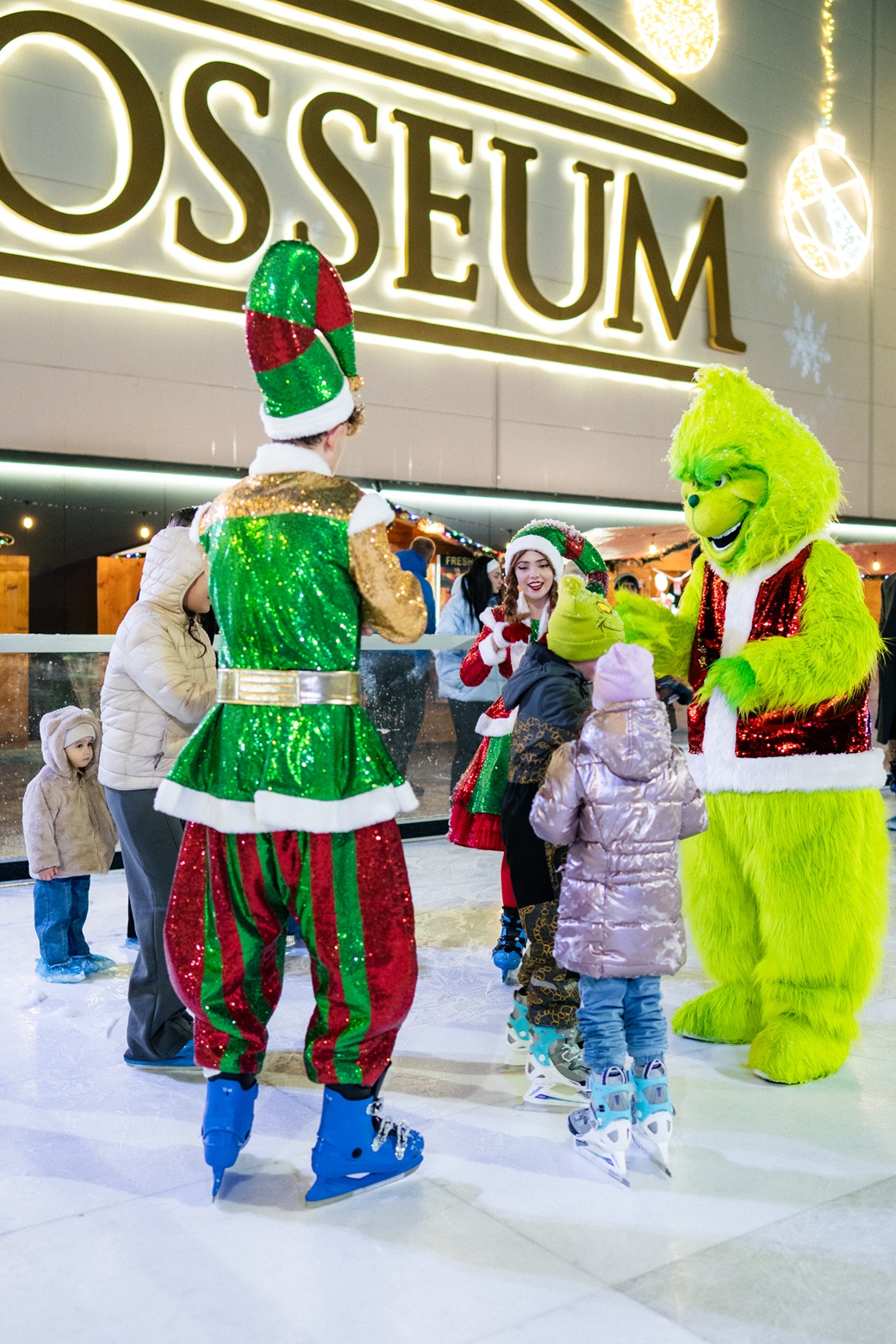
While toys continue to dominate the holiday wish list, more and more children are expressing a need for family time, shared activities and experiences that create memories. Beyond material gifts, children want moments of closeness, play and attention, signaling a strong need for emotional connection. These are the findings of a survey conducted by iSense Solutions for Colosseum Mall on December 17-19, on a sample of 261 urban parents with at least one child aged 3-12 years old.

  • Craciun la Polul Colosseum Mall 2
  • Top desired gifts: classic toys (34%) and gadgets/electronic toys (28%), followed by clothing (13%).
  • Pressure for parents: financial pressure (66%) is the main stress, followed by time pressure (48%).
  • Budget: 61% of parents allocate between 200 and 500 lei, and about a quarter more than 500 lei, especially for older children.
  • Realism: 70% of parents say their children’s wishes are often beyond what they consider realistic or appropriate.
  • Experiences: 72% would visit a Christmas themed space (letters/posters/letters), while 50% say children’s activities influence their visit to the mall.

“Beyond the lists, there is a children’s need for excitement, play and time with loved ones. Gifts matter, but experiences and attention remain essential.” , says Anca Scarlat, Marketing & Communication Manager, Colosseum Mall

Beyond concrete presents, many children dream of “magical” wishes – superpowers (26%), magic wands (21%) or even a better world for all children (11%), indicating that imagination and symbolic values continue to play an important role during the festive season. A further 12% of children want family time or experiences such as trips to the movies or amusement parks,

More than half of children still believe in Santa Claus, but this belief decreases with age, marking a natural transition from fantasy to realism.

From a parent’s perspective, Christmas today is perceived as being richer in presents (37%) but also more commercial (36%) compared to their own childhood. 1 in 5 parents believe that some of the “magic” of Christmas has been lost, even if the dominant emotions remain joy and excitement. This change comes with increased pressures: 66% feel financial pressure, 48% time pressure, 38% fear of disappointing their child.

In terms of budget allocated, 61% of parents allocate between 200 and 500 lei for their children’s Christmas presents, and about a quarter exceed this budget, especially for older children. At the same time, 70% of parents say their children’s wishes are frequently above what they consider realistic or appropriate. Christmas shopping is a planned and time-consuming process: more than half of parents spend between 2 and 5 hours looking for presents, and 28% invest even more than 5 hours.

Parents buy most of their presents in shopping malls (74%), but also online (80%), and about half plan their purchases in the first part of December to avoid the crowds. Physical and online shopping complement each other, reflecting a combination of convenience, variety and careful planning.

Visits to the mall increase during the holiday season, especially for Christmas shopping and outings. Children frequently go to the mall throughout the year, but visits increase significantly during the holidays. Normally, 37% go weekly and 38% occasionally (a few times a month.) During the holidays, weekly visits remain similar (37%), but the proportion of occasional visitors increases to 43%, indicating increased shopping activity and more frequent Christmas experiences for children.

Over 1,000 letters left for Santa at Colosseum Mall

From November 29 to December 21, Colosseum Mall ran the campaign “Christmas at the Colosseum Mall Pole”, a true manifestation of the joy of the winter holidays, which brought together numerous shows and interactive activities dedicated to the whole family. One of the most appreciated moments of the campaign was the Letters to Santa Claus Workshop, where children left over 1,000 letters, having the opportunity to express their biggest wishes for Christmas. Beyond toys, gadgets and clothes, children surprised Santa with imaginative and heartfelt messages. Among the unusual wishes were high marks in the National Assessment, Michael Jackson costumes, Smiley and Theo Rose vinyl, personalized t-shirts with their favourite footballers – Dobre from Rapid or Cristiano Ronaldo – and even pets. The less pretentious just asked for sweets, fruit or crisps, while others sent emotionally charged messages pleading for peace, health and wellbeing for all children in the world. There was also no shortage of questions addressed directly to Santa Claus about his age or reindeer, and promises that he would be awaited with his favorite sweets and a warm glass of milk. The most popular gifts requested at the Letters to Santa Workshop in Colosseum Mall were Kendama and Lego games.

###

About Colosseum Mall

Located in sector 1 of the capital, Colosseum Mall is a modern shopping center that brings together a wide range of fashion, beauty, accessories, sports, home & deco, technology, restaurants and services. The mall is constantly hosting events for everyone, from interactive exhibitions and children’s activities to themed fairs and special seasonal campaigns, reinforcing its position as a shopping and leisure destination. For more information about the events organized at Colosseum Mall, as well as the shops and services available, visit www.colosseummall.ro.

About iSense Solutions

iSense Solutions – The Modern Consumer Company – uses the most innovative methods to explore and analyze the modern consumer. Founded in 2014, the company offers comprehensive market research services and brings a mix of innovation and efficiency to clients. More information can be found at www.isensesolutions.ro, www.researchromania.ro, www.sensepanels.com and www.sensecommunities.com.

Black Friday 2025 in Romania: Romanians plan 1.800 lei shopping, with IT&C and clothes at the top of preferences

iSense Solutions measures the Romanian eCommerce market annually, providing a detailed insight into buying behaviors and digital trends. For 2025, the eCommerce market is estimated at €8.5 billion, up 10% from €7.7 billion in 2024. The most popular categories remain clothing and footwear (93%) and IT&C, electronics, home appliances (92%), reflecting Romanians’ preference for functional and lifestyle products.

Black Friday 2025 remains a major shopping event in Romania, with around two-thirds of consumers ready to take advantage of the discounts. Purchase intent has increased slightly from last year, from 57% in 2024 to 65% in 2025. The most enthusiastic shoppers are 18-25 year olds (79%) and 36-45 year olds (75%), while over-55s are less engaged in the event.

Online stores are preferred for shopping, with 86% of those who plan to shop choosing digital platforms, compared to 40% who go to physical stores. The most desired products are IT&C, electronics and home appliances (67%), followed by clothing and footwear (56%). Men are more focused on IT&C and home appliances (76%), and these categories have seen an increase since last year, when 58% planned IT&C purchases and 39% clothing and footwear.

The average budget allocated for Black Friday shopping is around 1,800 lei, with men planning to spend more (2,200 lei) than women (1,400 lei). In terms of payment methods, 60% of consumers opt to pay in full out of their own funds (cash or debit card), 32% use a credit card or shopping card and 16% choose to pay in installments, an option more popular among men (21%) and less common for people over 55 (6%).

“Romanians are becoming increasingly sophisticated in the way they shop online. They are looking not only for good prices, but also for a complete experience, from transparent offers to fast and secure delivery. Delivery apps and flexible payment options are part of this transformation, influencing the entire eCommerce ecosystem,” said Andrei Cânda, Managing Partner iSense Solutions.

In parallel, delivery apps are becoming increasingly popular. In 2025, 68% of respondents used such apps, up from 57% in 2024.

Methodology: The survey was conducted online in September 2025 on a sample of 523 urban, internet-using respondents aged 18 years and older. The maximum sampling error is ±4.3% at 95% confidence level.

About iSense Solutions

iSense Solutions – The Modern Consumer Company – uses the most innovative methods to explore and analyze the modern consumer. Founded in 2014, the company offers comprehensive market research services and brings a mix of innovation and efficiency to clients.

More information can be found at www.isensesolutions.ro, www.researchromania.ro, www.sensepanels.com and www.sensecommunities.com.

4 out of 10 Romanians follow online promotions of brands or retailers

Four out of ten Romanians search and follow promotions directly through apps or websites that have digital catalogs, according to a survey conducted by iSense Solutions for Shopfully Romania. In addition, 39% of respondents consult the digital catalogs available on store platforms, confirming that the digital environment has become the main point of information before buying.

The study also shows that most consumers use both printed and digital catalogs. However, digital catalogues are most frequently accessed, confirming that they are becoming an important channel for communication, loyalty and customer interaction.

“This behavior shows that Romanians are paying more and more attention to how they plan their purchases and manage their budget, and digital is becoming the main point of contact between consumers and retailers. Platforms aggregating offers and digital catalogs are not only information tools, but also ways for consumers to compare prices, track discounts and decide where to shop.
For retailers, these results confirm the importance of maintaining an active and up-to-date digital presence, with clear, easily accessible offers that are personalized according to users’ interests”, said Cătălin Pațachia, Country Manager Shopfully.

Romanians are planning their shopping more carefully

The study highlights that Romanians are increasingly planning their shopping, comparing prices, shopping around for discounts and using online to make inspired buying decisions. Digital is becoming not just the place to find deals, but also the place where they decide where, when and what to buy.

At the same time, people aged 35 to 44 prefer digital catalogs, while older people are more likely to consult printed catalogs. Women are also the most frequent promo watchers, with many checking offers weekly.

Given the growing importance of promotions in purchase decisions and the fact that many consumers actively use digital channels and continue to consult catalogs before buying, Shopfully positions itself as a valuable partner for retailers and brands. Shopfully’s platforms and apps help bridge the gap between consumers searching for deals and retailers who want to provide relevant information at the right time and in the right place.

Through the technologies used and by understanding buying behavior, Shopfully supports retailers in making promotions more visible in the digital environment, where most purchase decisions begin. First party data enables appropriate targeting, and content tailored to users’ interests allows retailers to reach target audiences more effectively, complementing traditional communication channels and improving communication.

Shopfully manages one of the largest shopper networks and acts as a strategic connector between brands and consumers. It provides access to behavioral insights that help retailers better plan promotional campaigns and build a more informed and relevant dialogue with their audience.

About Shopfully

Shopfully is the European leader in Drive to Store solutions, helping retailers and brands turn online search into shopping. It operates in 25 countries and has a team of over 1500 specialists. The company works with over 500 retailers and brands, reaching more than 400 million consumers globally through an extensive network of media partners, digital platforms and innovative technology solutions, including its own AI-powered hyperlocal marketing platform.

Education costs more and more: parents in Romania allocate on average 1377 RON for the beginning of the school year

Romanian parents are investing more than ever in their children’s education: the budget for the new school year has increased by 300 RON compared to 2024

A new iSense Solutions study shows that the relationship between school and family, the quality of education and the emotional well-being of children are the main expectations of parents for the 2025-2026 school year.

Parents’ expectations

For six out of ten parents, the biggest expectation from the new school year is a good and open relationship between school and family, mentioned by 63% of respondents. Equally, 63% want a safe and friendly environment for their children and 61% emphasize teachers who are dedicated and involved in their pupils’ development.

More than half of parents – 58% – consider quality education with well-structured and relevant lessons essential. Complementing this, 42% of parents want their children to be involved in creative and social projects and 35% value the diversity of extracurricular activities.

It is noteworthy that 56% of parents want modern and interactive teaching methods adapted to today’s needs. However, only 29% of the respondents consider it important to use technology to support learning and only 19% prioritize the integration of artificial intelligence into the educational process, indicating a certain reluctance or need for further information about the benefits of these tools.

School budget and procurement

In terms of financial resources, parents allocated an average of 1377 RON for necessary purchases at the beginning of the school year, about 300 RON more than in 2024, when the average amount was 1080 RON.

The most frequently bought products are school supplies, already bought or planned by 93% of parents, and clothing or footwear, targeted by 95% of respondents.

Textbooks and sports items are mostly planned for purchase in the run-up to the start of school, indicating that the shopping process is still ongoing.

Technology products such as laptops and tablets are already purchased by 34% of parents and are yet to be bought by another 18%, while almost half (48%) do not consider them necessary.

School furniture is already purchased or planned for purchase by 45% of parents. In contrast, smartwatches and cell phones are purchased at a lower rate, with over 65% of parents saying they will not buy them for this school year.

Buying behaviors

Purchasing habits show that 54% of parents do their school shopping no more than one to two weeks before the start of the school year, while 24% prefer to postpone purchases until after the start of classes, thus adapting to the real needs that arise. Only 7% of parents choose to prepare more than a month in advance.

In terms of purchasing channels, technology products – laptops, tablets, phones and smartwatches – are predominantly bought online, with more than half of parents opting for this option.

By contrast, school supplies, clothing and sports equipment are mostly bought in physical stores, with percentages ranging from 63% to 78%.

Pocket money and extracurricular activities

The survey shows that 64% of parents give their children pocket money for school. On average, a child receives 75 RON a week and the mode of giving is predominantly cash, with 83% of parents opting for cash, while only 17% use a card.

In terms of extracurricular activities, the most popular are sports, practiced by 56% of students. Almost a third, 29%, take part in educational activities such as book clubs, programming or language clubs, while 23% choose artistic activities such as painting, drawing or singing. Practical and hobby activities are mentioned by 19% of children, while community and personal development activities are attended by smaller percentages, 17% and 16% respectively. However, 15% of schoolchildren are not involved in any extracurricular activities, which may indicate either lack of interest or barriers to access. The average monthly budget allocated to extracurricular activities is 493 RON.

“The results of the survey confirm that Romanian parents place great emphasis on the quality of the human relationship in education, the safety of children and the involvement of teachers. At the same time, financial investments for the beginning of the school year are higher than in 2024, and interest in extracurricular activities is diverse and growing. Technology and artificial intelligence remain secondary priorities, which shows that while parents appreciate the modernization of education, the integration of these tools requires better communication and a phased approach,” says Alina Zelezneac, Chief Research and Operations Officer, iSense Solutions.

The data presented is part of the iSense Solutions Omnibus study, a representative survey of the urban Internet-using population. The survey was conducted on a sample of 540 respondents, maximum margin of error +/- 4.1%, at a 95% confidence level, from August 18-22, 2025.

About iSense Solutions

iSense Solutions – The Modern Consumer Company – uses the most innovative methods to explore and analyze the modern consumer. Founded in 2014, the company offers comprehensive market research services and brings a mix of innovation and efficiency to clients.

More information on www.isensesolutions.com

Contact

Get Connected

Reach out today for a personalized consultation and discover how we can help you achieve your goals.

Let’s discuss about your business

Reach out today for a personalized consultation – let’s explore how we can support your goals.

Book a Call

Tell Us About Your Research Needs

Our innovative research tools deliver clear insights and effective strategies tailored to your needs.

Request Your Analysis

Let’s Build Your Marketing Strategy

We create personalized marketing strategies designed to drive engagement and real results.

Request Your Strategy

Understand Your Consumers Better

We’ll uncover key insights and help you optimize performance across the board.

Discover How We Can Help

CALL: +40 773 835 659

Contact